Workshop Recap: Cycle Syncing & Healthy Hormones for Women At MODE pilates
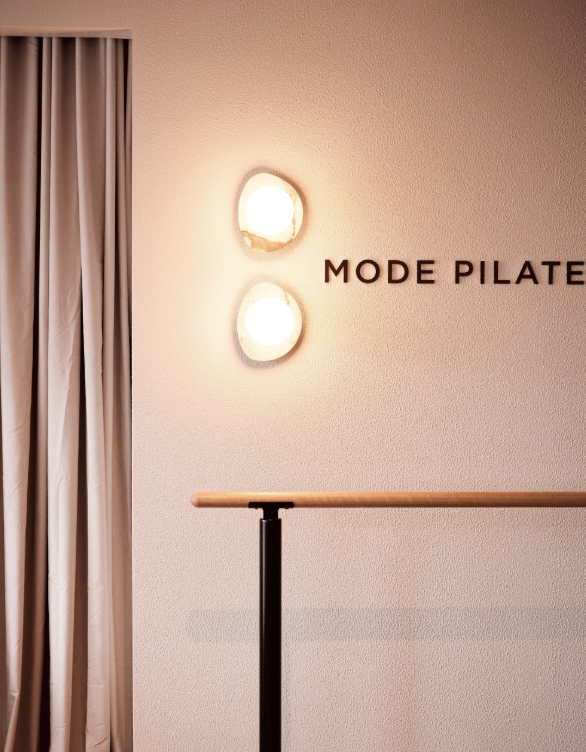
On Sunday, 30th, I hosted an insightful workshop all about cycle syncing and supporting healthy hormones for women. We explored the different phases of the menstrual cycle and discussed how to align exercise, nutrition, and lifestyle strategies to optimise energy, workouts, and reduce PMS symptoms.
Here’s a run through of what we spoke about….
UNDERSTANDING YOUR CYCLE
Our menstrual cycle has four distinct phases, each driven by different hormonal shifts. When we work with these phases, rather than doing the same thing every day, we can achieve far better results. Whether your goals are weight loss, building muscle, increasing energy, or reducing PMS, aligning your nutrition, movement, and lifestyle with your cycle helps you get there. Honouring the natural rhythm of your body is transformative, and Bella sees this approach create powerful, consistent results in clinic time and time again. So here are the phases broken down…
1. Menstruation (Day 1-5)
What’s happening: Low estrogen and progesterone levels. Your body is shedding the uterine lining, which can leave you feeling tired or low in energy.
Lifestyle tips: Prioritise rest and self-care. Gentle mindfulness, meditation/breathwork, or journaling can help balance mood.
Movement: Limit high intensity until you feel better (this can be day 2 for some).Walking, yin, breathwork, sound healing, and strength training.
Foods:
Iron-rich foods like leafy greens, red meat, or lentils to replace blood loss.
Anti-inflammatory foods such as berries, fatty fish, and turmeric.
Hydrate well to support circulation and reduce bloating.
2. Follicular Phase (day 6-13)
What’s happening: Starts after menstruation and lasts until ovulation. Rising estrogen levels boost energy, focus, and motivation.
Lifestyle tips: Use this time for goal-setting and creative projects. Focus on positive social interactions and mental stimulation.
Movement: Excellent phase for Mode Strength and lifting heavy weights, Cardio, HIIT and trying out need classes. Your body responds well to challenging workouts now and it is a great time to build muscle.
Foods:
Protein to support muscle growth (chicken, fish, tofu). Aim for 15 grams before a workout and 30 grams after workout within 30-45 mins or each side.
Complex carbohydrates for sustained energy (quinoa, oats, sweet potato).
Plenty of colourful fruits and vegetables for antioxidants.
3. Ovulation (Day 13-15)
What’s happening: Estrogen peaks, followed by a spike in luteinising hormone (LH).Fertility is at its highest, and energy may feel elevated.
Lifestyle tips: Optimise social and professional interactions; your confidence is high. Maintain stress-reducing practices to balance hormonal peaks.
Movement: Continue high-intensity workouts, strength training, or competitive sports. Your body may handle heavier loads and more intense sessions efficiently.
Foods:
30g of fibre-rich foods to support digestion and hormone clearance (vegetables, legumes)
Healthy fats to support hormone production and reduce potential inflammation (avocado, nuts, olive oil).
4. Luteal Phase (Day 15-28)
What’s happening: Progesterone (a relaxing hormone) rises post-ovulation, preparing the body for a potential pregnancy. Some women who have an imbalance in hormones may experience PMS symptoms like irritability, bloating, or fatigue.
Lifestyle tips: First week - maintain productivity + routine. Second week- Slow down, lighten your schedule. Extra sleep, set boundaries. More rest time.
Movement: Moderate strength training, Reformer Pilates, walking, swimming. Focus on consistency rather than intensity to reduce PMS discomfort.
Foods:
Magnesium-rich foods to ease cramps (pumpkin seeds, dark chocolate, spinach).
Complex carbs to stabilise blood sugar/energy levels (brown rice, oats, beans).
Hydration to minimise bloating and fatigue.
The most important thing is tuning into your body, cycle syncing is simply a guide to help you do that. I am a huge big advocate for tracking your cycle, because everyone’s physiology is unique. Understanding how your body responds in each phase is incredibly empowering and removes the guesswork. Once you start recognising your patterns and signals, you can support your hormones and overall health so much more effectively. Her favourite tracking apps are Flo and Natural Cycles.
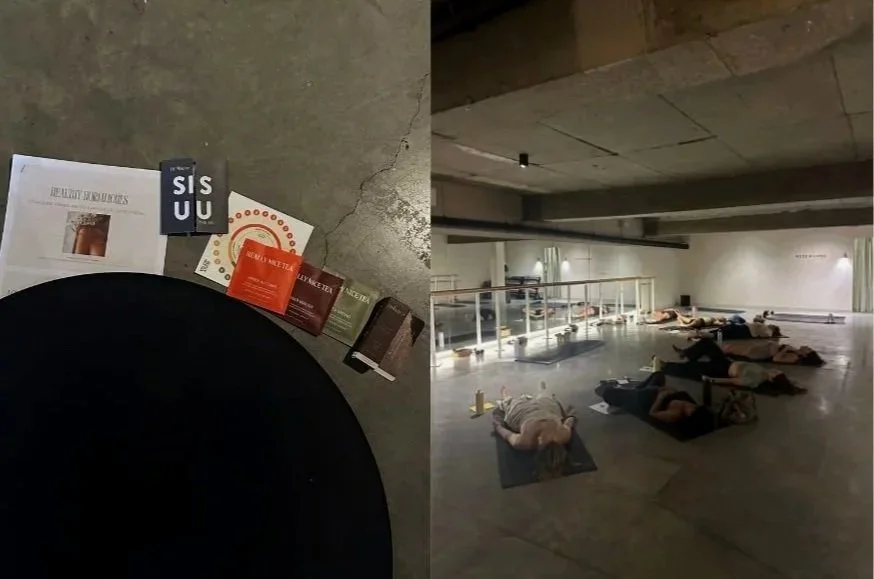
Questions ANSWERED From the Workshop
1) “I feel quite irritable and have low moods before my period — what can I do?”
Feeling flat, snappy, or teary before your period is common and is usually linked to shifts in progesterone, blood sugar, and inflammation in the late luteal phase. Just because it is common it doesn’t mean it is considered ‘normal’.
If you were my client I would ensure you are balancing your blood sugar levels by incorporating at least 30g of protein in each meal. I’d reduce inflammation with things like Omega-3s, turmeric, leafy greens. Finally, I would asses nutritional deficiencies, gut health, stress load with functional testing and a thorough assessment and then build you’re a personalised treatment strategy with supplements, lifestyle and diet.
2) “Is eating all your protein required at once effective?”
Not ideal for most women. Your body can only use a certain amount of protein per meal for muscle repair and hormone production. The rest is less efficiently used.
Best approach: Aim for 20–30g of protein per meal, spread across the day. This helps:
Stabilise blood sugar
Support satiety
reduce PM
Improve muscle recovery
Support metabolic health
3) “Any tips for coming off the pill?”
Preparing your body beforehand can make the transition much smoother. Some supportive steps include:
Nourish nutrient stores (the pill depletes B6, B12, folate, zinc, magnesium). I do this with my clients through blood tests.
Support liver detoxification → leafy greens, cruciferous veggies, lemon water, protein.
Stabilise blood sugar to reduce post-pill acne and PMS.
Support gut health → fibre, probiotics, hydration. We can do this through functional testing to get a thorough understanding of where imbalances may be occurring
Track your cycle as it returns.
If you are ready for a personalised plan and to tackle your hormone health you can book in for a 1:1 Consult here